An unconventional leisure space in a historic building in the city of Madrid. We revive the cinematic tradition of what was originally the Cine Alba, with a monthly program structured around thematic cycles. In addition to a clear commitment to 21st-century cinema, Sala Equis was born with the aim of becoming a meeting place in the city of Madrid. With the spirit that makes city squares fluid centers of connection, Sala Equis breathes like a covered plaza, where a street-style gastronomic offering seasons social encounters.
We have come to the city of Madrid to host gatherings—situations of exchange within a popular network of a city we truly love. Various guests from the worlds of culture and leisure will regularly pass through Sala Equis as part of this return to the future that excites us so much.
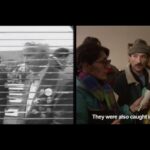
Toda guerra comienza mucho antes del primer disparo y sobrevive mucho más allá del último, agazapada en la materia silenciosa de los archivos, los paisajes, los hogares y los cuerpos. Las piezas que conforman este recorrido no buscan ilustrar el conflicto, sino interrogar las profundas huellas que la historia deja a su paso sobre el tejido de lo real.
En este territorio de ruinas y persistencias, el pasado se convoca a través del rito y la fractura. El archivo de la Revolución Iraní de 1979 se quiebra mediante el gesto del Besmel, transformando el sacrificio animal en una dolorosa alegoría del desgaste colectivo de una nación. Frente a esa devastación, la memoria encuentra un refugio crítico en el eco de la cabaña de Henry David Thoreau; sus tres sillas consagradas a la soledad, la amistad y la sociedad, se despliegan como mesas de trabajo para ensayar, desde los escombros, nuevas formas de convivencia y resistencia.
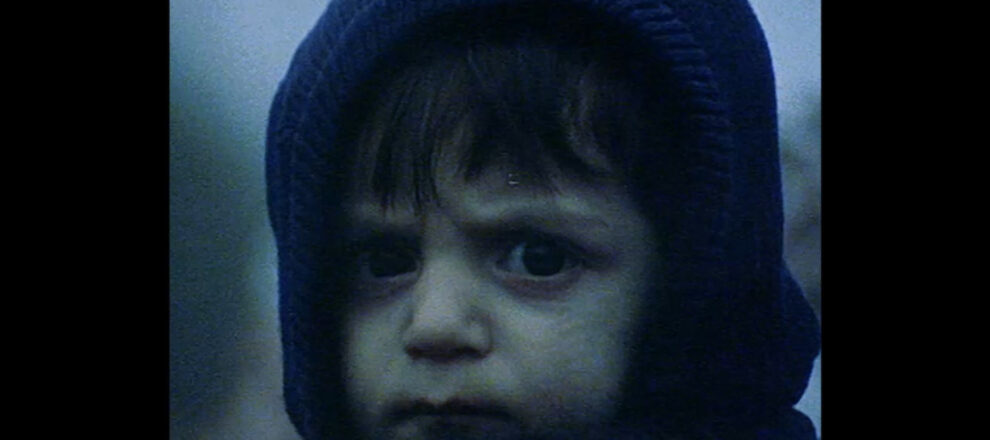
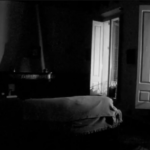
Esa tensión entre el tiempo y el territorio resuena también en la mirada que cruza los fantasmas de 1989 con el ascenso de Milošević en Kosovo y la caída de Ceaușescu en Rumanía y con la presencia de unos mismos espacios que no terminan de cerrarse, cuestionando la arquitectura misma de los relatos europeos. Un eco que termina por filtrarse hasta lo más íntimo: la arquitectura doméstica atravesada por los impactos de una bala en un plano secuencia donde el horror deja de ser catástrofe extraordinaria para convertirse en el aire cotidiano que se respira entre las paredes.
La selección teje una cartografía donde el archivo, el bosque y la casa operan como umbrales de aquello que resiste al derrumbe. Son paisajes habitados por la memoria y la herida, que exploran la posibilidad siempre frágil y siempre urgente de volver a levantar una comunidad sobre las cenizas de la Historia.
Este 2026 PROYECTOR celebra su 19ª edición, reafirmando prácticas, propuestas, obras y discursos que no responden a modas sino a una necesidad. El festival se consolida como uno de los primeros espacios dedicados a la imagen en movimiento, y tras casi 20 años de trayectoria mantiene su espíritu y urgencia por el videoarte. Si bien el festival impregna y hace suya desde 2008 la ciudad de Madrid con el Recorrido OFF, ampliando el programa a través de la implicación de galerías y museos, también se abre a una red internacional activa en colaboración con festivales como InShadows (por), Loops.Expanded, PLAY (arg), URUGUAY (uru) y VIDEOBARDO (arg).
Desde el 9 hasta el 20 de septiembre, PROYECTOR activa Madrid a través de más de 30 sedes, un año más con la participación de artistas de 30 países diferentes y una presencia mayoritariamente femenina, ocupando desde instituciones, espacios independientes hasta estudios de artistas. Articulando así un recorrido con más 100 obras entre las cuales hay performance, cine expandido, videoarte e instalaciones site specific. Cada una de estas, en diálogo con los contextos que las acogen. Por ello, desde PROYECTOR no proponemos una experiencia de carácter uniforme sino que se trabaja con la diversidad de formatos, procedencias y posiciones, en medio de un momento de homogeneización y saturación visual, siendo un espacio importante desde donde observar, expresar y pensar el presente.
Durante el festival, el acceso es gratuito, pues PROYECTOR se compromete en el desarrollo del espacio cultural accesible, transmitiendo además todas las actividades en streaming para ampliar su alcance más allá del ámbito local.
Paralelamente, VERTICAL<25 continúa con el apoyo y fomento a los creadores más jóvenes en formato vertical ofreciendo residencia de producción, exhibición y acompañamiento anual.