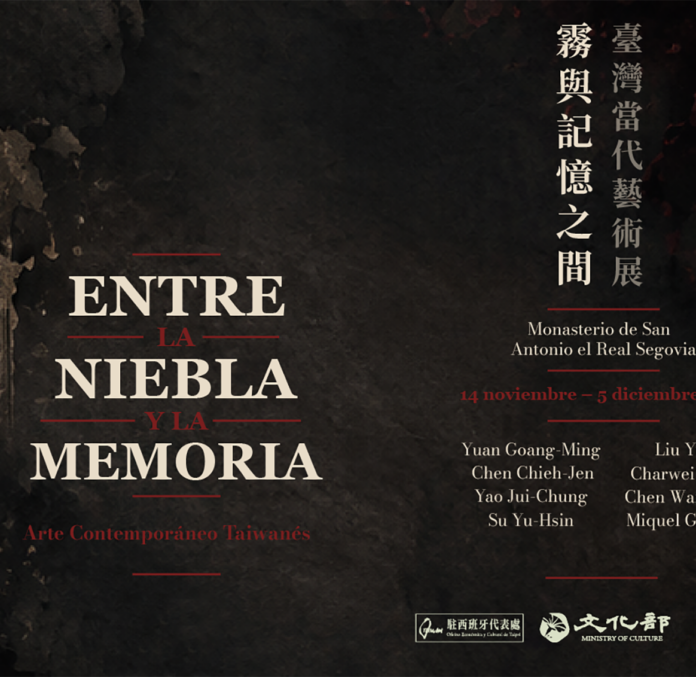
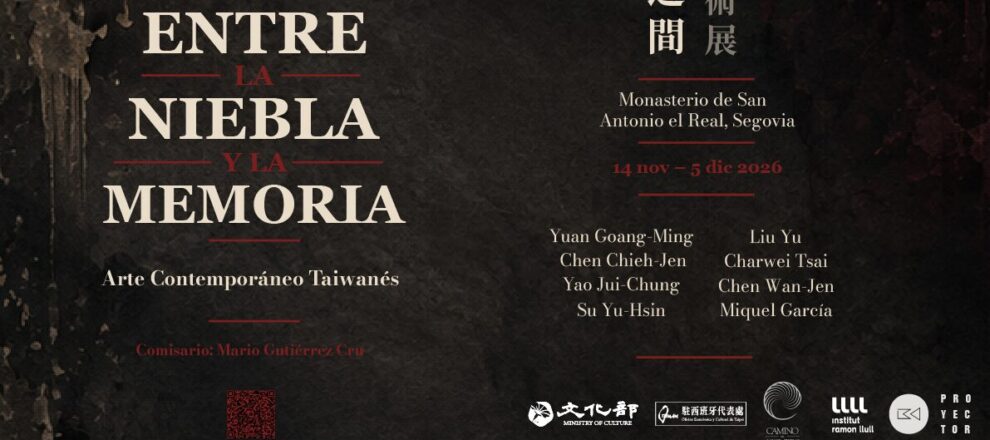
Curator: Mario Gutiérrez Cru Dates: 14 November – 5 December 2026 Venue: Monastery of San Antonio el Real, Segovia Artists: Yao Jui-Chung, Su Yu-Hsin, Chen Wan-Jen, Charwei Tsai, Yuan Goang-Ming, Liu Yu, Chen Chieh-Jen and Miquel García Commissioned by: Ministry of Culture of Taiwan In collaboration with: Camino del Asombro Logistical and curatorial support: PROYECTOR
Events
14 NOV · 12:00 — Exhibition opening and presentation by the Ambassador of Taiwan to Spain, the participating artists and the curator. Artist Miquel García will invite visitors to take part in a collective performance.
14 NOV · 17:00 — Roundtable discussion with the Taiwanese artists (in Mandarin, with simultaneous interpretation into Spanish).
05 DEC · 12:00 — Closing event and guided tour of the exhibition.
In a country where recent history has been written through silences, art becomes an act of collective breathing. The works brought together in Between Fog and Memory [Taiwanese Contemporary Art] arise from the need to look back in order to sustain the present. On the surface, they speak of images, archives and bodies; beneath them lies the fragility of the rights that sustain our shared existence.
In Taiwan, video art, experimental cinema and performance have served as languages of resistance, observation and care. Through these practices, the artists reconstruct a space in which memory is not merely a record of the past, but also a form of justice: a slow, visual and poetic justice. Every image reclaimed from oblivion is, in turn, a defence of the right to exist, to remember and to imagine without fear.
In this exhibition, the artists engage with the ruins of colonial history, censorship, social transformations and the tensions surrounding identity. A recurring question runs through their works: how can we remain free when memory is eroded? Art responds with its own persistence: keeping the cracks open and insisting on the smallest gestures that give the present its humanity.
The works gathered here move between documentation and reverie, between political imagery and contemplation. In them, the defence of human rights is expressed not as a slogan but as a form of breathing: a persistent pulse running through bodies, territories and images.
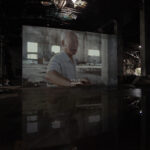
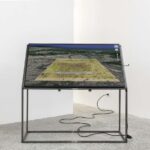
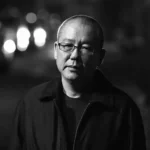
Yao Jui-Chung uses irony and visual research to examine the deterioration of institutional structures and the narratives through which national identity is constructed. Su Yu-Hsin explores how maps, controlled by nation-states, determine the ways in which territory is represented, administered and understood. Yuan Goang-Ming addresses the intrusion of war and threat into everyday life, together with the collateral damage for which we are both victims and perpetrators. Liu Yu explores the relationship between space, memory and consciousness through accounts from survivors of air raids, urban explorers and digital content creators. Chen Chieh-Jen investigates the memory of labour, the postcolonial experience and the wounds inflicted by global capitalism, offering a critical reading of Taiwan’s recent history. The poetic and material practice of Charwei Tsai addresses fragility, transmission, ritual gestures, memory and human rights. These proposals are joined by a site-specific intervention by Chen Wan-Jen, conceived specifically for the Monastery of San Antonio el Real in dialogue with its architecture, its memory and its particular ways of inhabiting silence.
Together, these works trace an emotional geography of Taiwan: a territory where history is heard more often than it is narrated, and where images do not so much document as evoke. Their gestures bring together poetry and denunciation, the intimate and the collective, revealing how every form of art can also become a form of resistance.
The exhibition also features a guest artist from Spain, whose contribution expands the project through an external perspective. Miquel García has developed an intervention connected to the memory of those who disappeared during the White Terror, conceived through collaboration with local artists and cultural practitioners. His participation does not seek to take the place of Taiwanese voices, but rather to establish resonances, shifts in perspective and forms of listening across different contexts. It acts as a gesture of accompaniment and translation, connecting Taiwan’s historical memory with other experiences of violence, archives and reparation that the artist has previously explored in his work.
All these works speak to us of human rights without naming them directly, because they embody them. In the reflection of a screen or the breathing of a performance, we find the right to have a voice, to be different, to remember and to hope. Between fog and memory, the image becomes a faint echo of what happened, of what was left unsaid.
Mario Gutiérrez Cru, July 2026

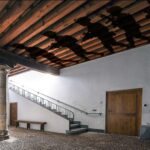
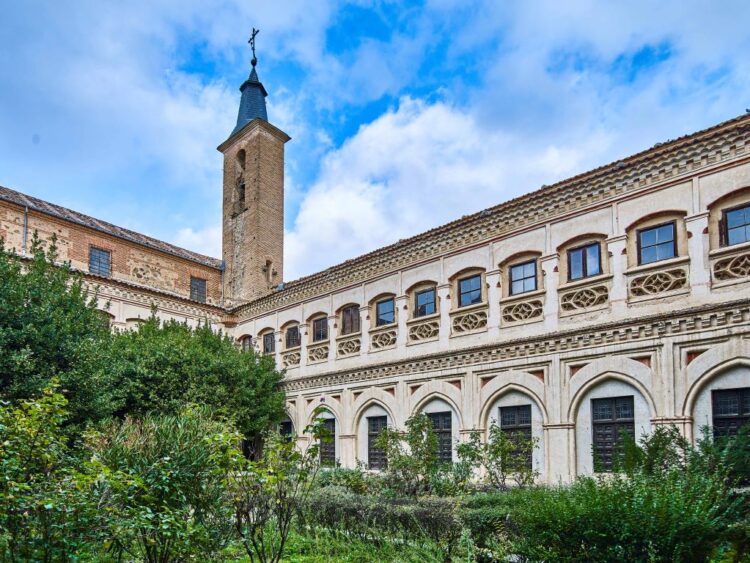
The Monastery of San Antonio el Real in Segovia, founded in the 15th century, provides an exceptional setting for the exhibition Between Fog and Memory. More than a heritage site of immense historical and artistic value, it is a place shaped by silence, contemplation and memory: concepts essential to a project dedicated to contemporary Taiwanese art, recent history, human rights and poetic forms of resistance.
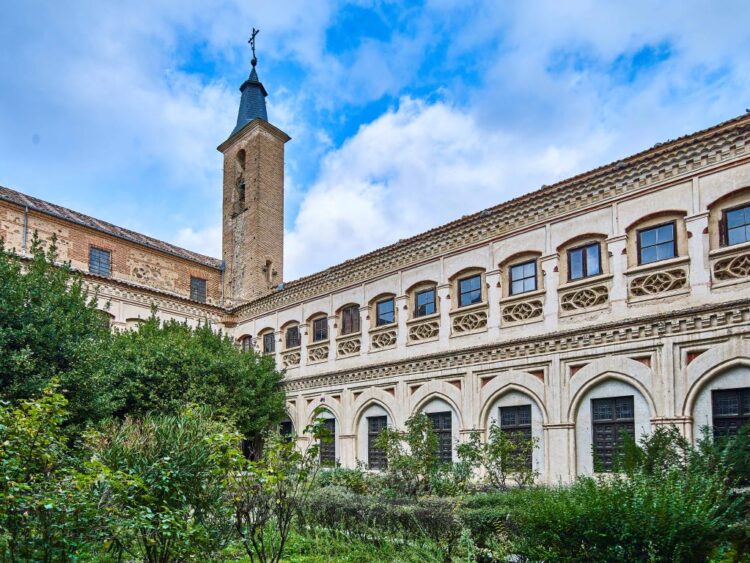
The Monastery of San Antonio el Real in Segovia, founded in the 15th century, provides an exceptional setting for the exhibition Between Fog and Memory. More than a heritage site of immense historical and artistic value, it is a place shaped by silence, contemplation and memory: concepts essential to a project dedicated to contemporary Taiwanese art, recent history, human rights and poetic forms of resistance.
In this sense, San Antonio el Real is not simply an exhibition venue, but an active participant in the project. Its Gothic-Mudéjar architecture, its history and its atmosphere of quiet reflection make possible a profound dialogue with works addressing censorship, disappearance, postcolonialism, identity, territory and symbolic reparation. The exhibition thus unfolds within a space where silence is not understood as absence, but as a palpable presence: a place from which to examine history, listen to what has been erased and open up new forms of citizenship.
For Taiwanese institutions, presenting Between Fog and Memory at the Monastery of San Antonio el Real means placing contemporary Taiwanese artistic creation within a distinctive heritage setting, one that offers an international, sensitive and deeply symbolic perspective. The exhibition not only introduces Spanish audiences to some of the key directions in contemporary Taiwanese art, but also builds a bridge between different historical memories, connected by shared questions: how to remember, how to repair, and how to continue imagining freedom when history has been written through silence.